
Tales of Two Cities
The first book featured here is entitled HappyLand, by Dolen Perkins-Valdez. The genre of historical fiction is an ideal way to tell a story about an actual historical place or event with the added interest of some ‘made up’ elements. Happyland is set in a real place in North Carolina that was settled by freed slaves after the Civil War. We have the dual stories of ‘back then’ and ‘now.’ A young woman is summoned by her grandmother to learn about her ancesters and ultimately to help in preserving the special place that those who founded the community and still live there call home. My daughter, by the way, highly recommends it!

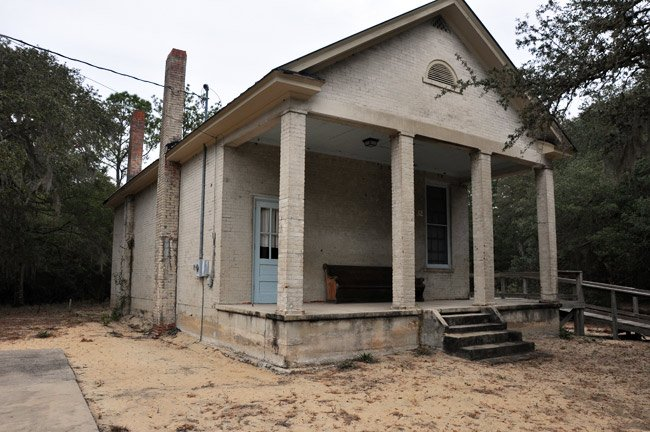
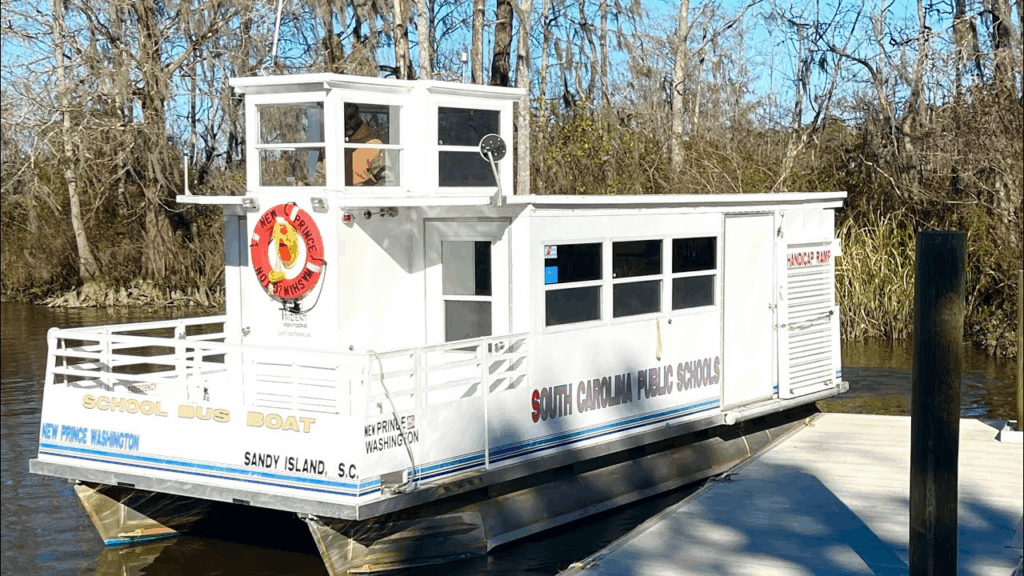
The place referred to as Happyland is certainly not the only community founded by enslaved Africans who were freed at the end of the Civil War. Another such community exists right here in the Lowcountry between the Waccamaw and Great Pee Dee rivers near Pawleys Island. After the war, freedman Philip Washington purchased land on Sandy Island, and freed slaves who had worked in the nearby rice plantations established a village there that was devoted to preserving the Gullah way of life. The residents built a school and a church and became self-sustaining with only a ferry to take them off the island.
The second book in this posting doesn’t tell a happy story, unfortunatly; but it tells a story that many have not heard but should. It was only a few years ago that I became aware of the 1921 Tulsa Race Massacre in the Greenwood District of Tulsa, Oklahoma. Greenwood’s history goes back to the late 1800’s when Alabama-born O.W. Gurley left Jim Crow-segregated Arkansas and bought land in what is now Perry, Oklahoma. He and his wife started a grocery store and mapped out residential and business districts in the new area. Black people began to move to Greenwood, and the area prospered, eventually being referred to as the ‘Black Wall Street.’ The image below is a mural that was proudly displayed in the area.
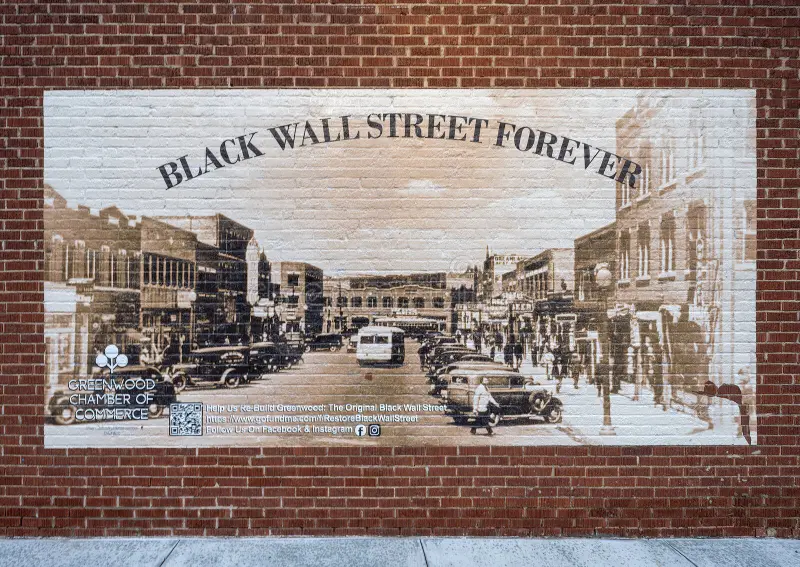
The white residents of Tulso were jealous of the success of the Greenwood District and formed a group of terrorists that, for two days, assaulted the black residents and burned the entire area of homes and businesses. Finally the Oklahoma State Guard came in and put an end to the massacre. Thousands of black residents were left homeless and the present day equivalency of almost $50,000,000 of property was lost.
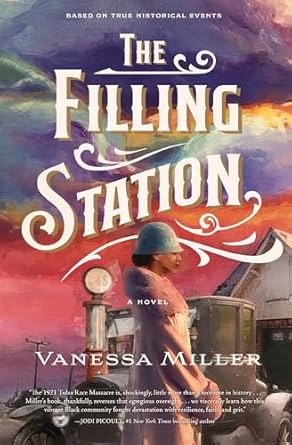
The Filling Station, by Vanessa Miller, is about two sisters who flee the massacre and hide out in the Threatt Fillling Station while they try to process the trauma and heal from it. At some point, however, they realize they are needed back in Greenwood to find their father and help rebuild their home. The Library Journal Starred Review writes “In a novel that should be required reading, Miller movingly explores the aftermath of racial trauma and how resilient people can open their hearts again.”
Thanks France’s for highlighting these books. I will definitely put them on my TBR list. And I hope others will also.