National Book Critics Circle Award Winners
If I have heard of the National Book Critics Circle Awards, I certainly don’t remember. This award is very prestigious, however, and worth taking a look at. Each year, a panel of 24 book review editors and critics choose one book in several categories to win the award. Winners for books pubished in 2025 were announced in March. Here they are:
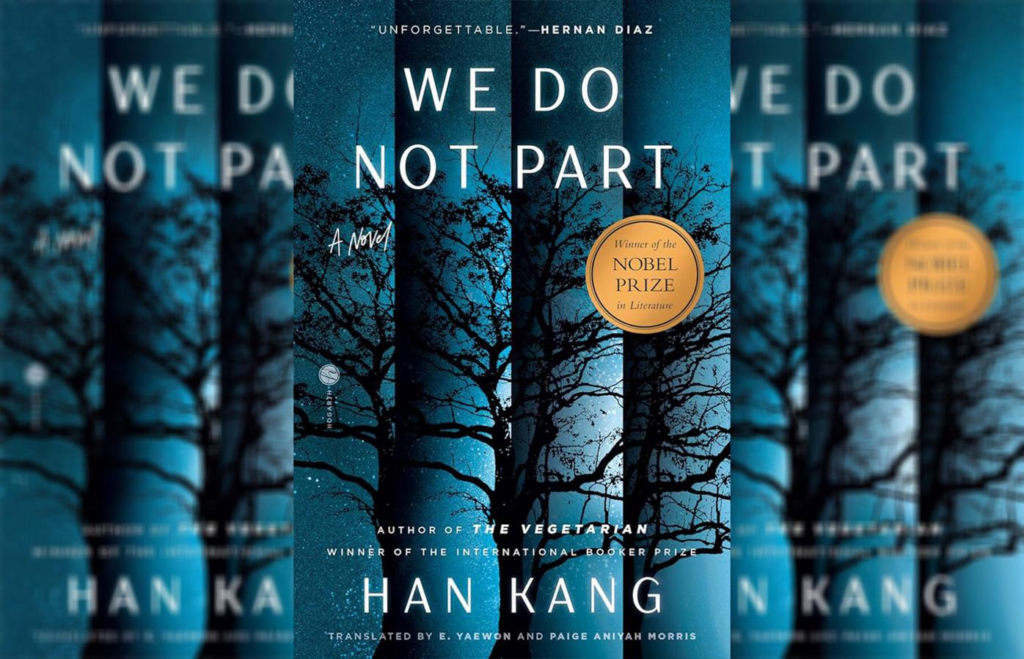
Fiction— We do not Part by South Korean author Han Kang. The story revolves around a woman who travels to Jeju Island to take care of her friend’s pet bird. Jeju Island is the largest South Korean Island and was home to a group of Koreans that opposed the division of the country in 1948. The visiting woman uncovers secrets of a massacre that killed hundreds of thousands of the island’s population back in 1948. With the backdrop of this hidden incident, the author explores themes of friendship and the connections between the living and the dead.
Non-Fiction—Empire of AI was written by Karen Hao, who is an AI journalist. Who knew there was such a job!! The book chronicles OpenAI’s development into a huge tech company that has both critics and followers. What are some of the secrets behind the success? What were the sacrifices? Hao attempts to answer these questions and more in a highly technical format.
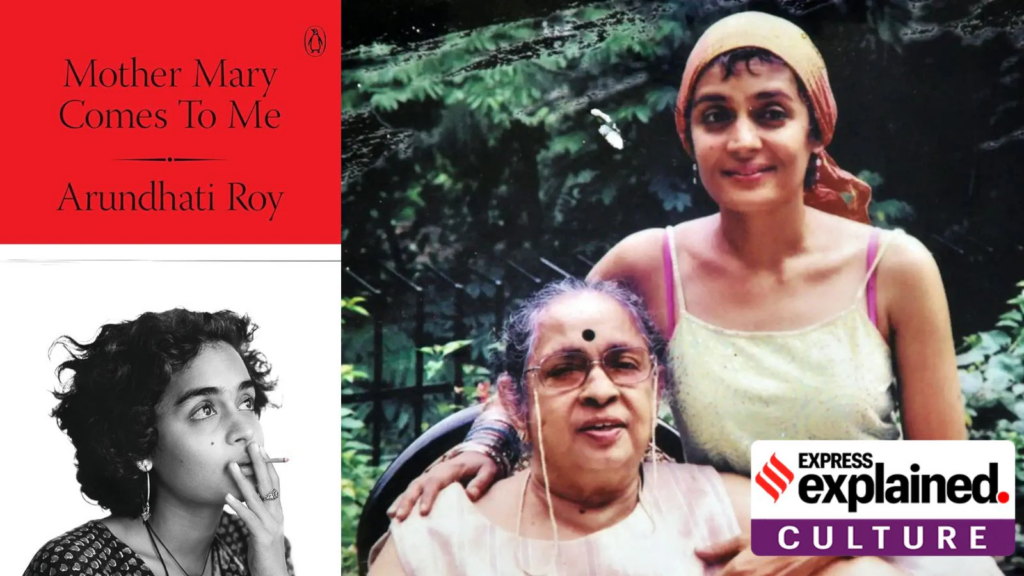
Autobiography—Mother Mary Comes to Me is a memoir by Arundhati Roy, author of The God of Small Things and also daughter of Indian educator and activist Mary Roy. Arundhati Roy writes about her life as Mary Roy’s unwanted daughter. As a young child she was forced to call her mother Mrs. Roy and endured physical and emotional abuse. As grim as the book may sound, it has gathered critical acclaim and a unique perspective into what it is like being raised by an extremely authoritarian parent.
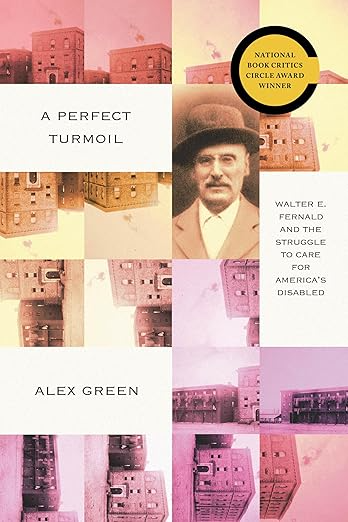
Biography: A Perfect Turmoil: Walter E. Fernald and the Struggle to Care for America’s Disabled by Alex Green. While not a book that many will seek out, this one is important for many reasons. First of all, it tells the story of a man who was not too proud to reverse his stance on eugenics. Secondly, this man, Walter D. Fernald, was the first person to organize special education classes. He deliberatley set out to change the public’s perception of those with an intellectual disability, treating them as human beings and organizing programs to develop their capabilities. If you or anyone you know has a relationship with a intellectually disabled person, you should read this book. You will be glad you learned who Walter E. Fernald was.